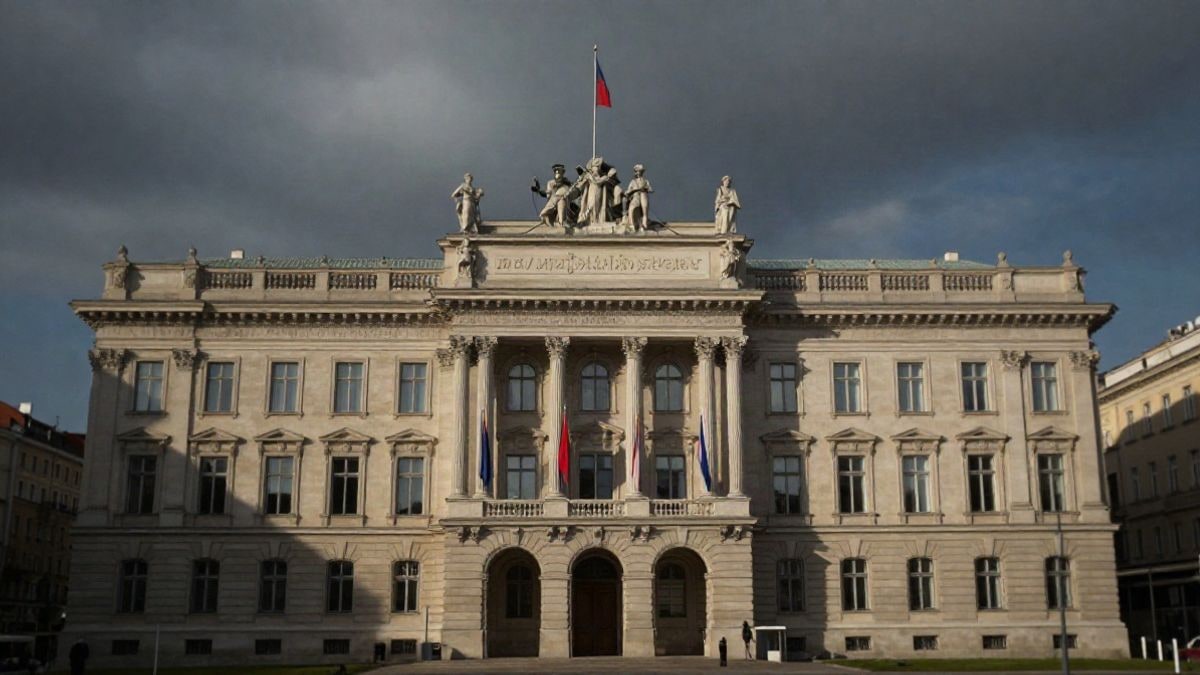
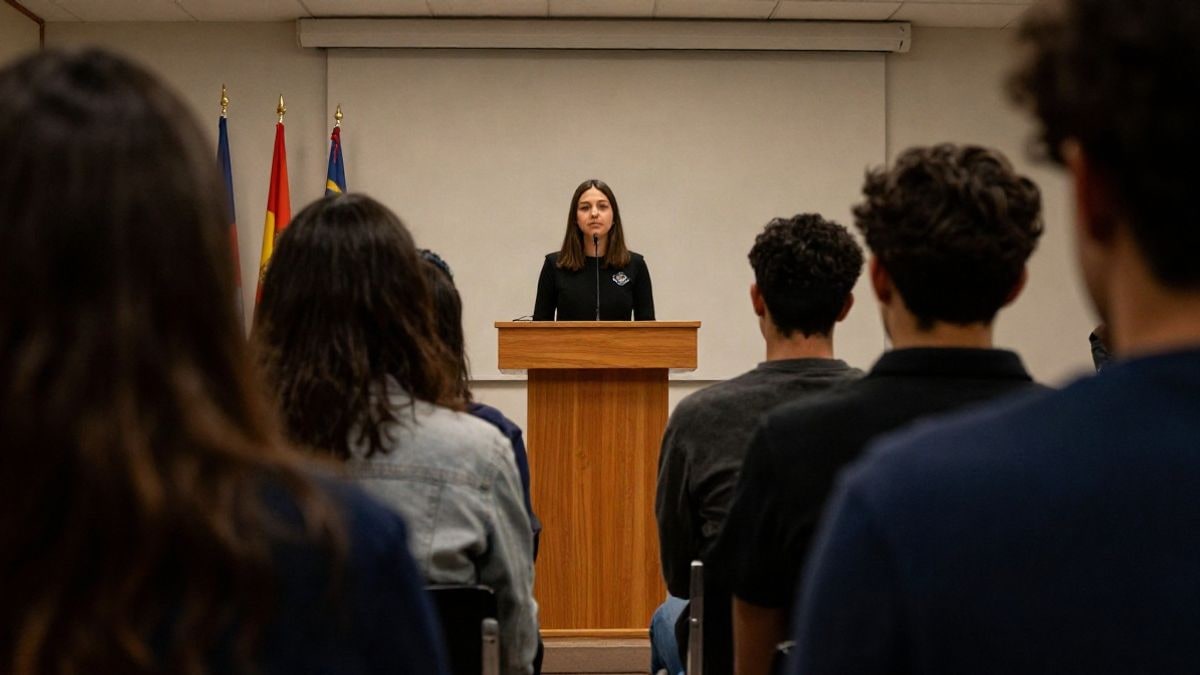
The President of the Government appeared in Congress to explain the management of the Ceuta crisis, where he defended the work of the agents and highlighted the return of 90% of the migrants in 72 hours.
The President of the Government, Pedro Sánchez, appeared this Thursday in the Plenary of the Congress of Deputies, at his own request, to inform about the management of the migration crisis in Ceuta that erupted on July 30, when numerous groups of young people began to cross the Tarajal breakwater. During his speech, he defended the actions of the State Security Forces and Bodies and assured that the agents acted correctly by prioritising human life over the integrity of the border, according to information published by lamoncloa.gob.es.
In his account of the events, Sánchez explained that the agents deployed at the border had to choose between temporarily ensuring the integrity of the border or defending human life, and they chose the latter. "And I, as President of the Government and as a Spanish citizen, affirm that they did the right thing," he stated.
The head of the Executive detailed that, in the initial phase of the emergency, the Government worked with two absolute priorities: reinforcing the border and rapidly returning those who had no right to remain in Spain. In just 72 hours, around 63,000 people had returned to Morocco, over 90% of those who had crossed during the crisis. Sánchez highlighted that this figure makes the operation one of the fastest return processes ever carried out in recent European history, as acknowledged by the European Commission itself.
In the second phase of management, the priority has been to address the humanitarian crisis and strengthen public services in Ceuta. The Government has requested financial and institutional support from the European Commission and the activation of solidarity mechanisms between autonomous communities. "Unity and institutional loyalty are the recipe that will allow Ceuta to overcome and emerge stronger from this crisis. Everything else will bring nothing good. And this is so because Ceuta is not the border of Spain. Ceuta is Spain at the border," he asserted.
The president also claimed that on August 25, for the first time in democracy, a "situation of interest for national security" was declared, a mechanism that allows for enhanced coordination between administrations under a single command.
Regarding the possibility of having anticipated the crisis, Sánchez assured that the Government has examined all reports, messages, and verbal notes that the State Security Forces and the National Intelligence Centre (CNI) sent to political authorities and the Government Delegation in Ceuta. "I can assure you that none went beyond the description of the data or the routine warning and that none anticipated either the scale or the probability of what ultimately occurred," he maintained. He admitted that in July, attempts to enter by swimming were higher than in previous years, but dismissed that they allowed for predicting the magnitude: "One thing is to detect that swimming crossings were increasing, that caution must be heightened, something that all competent authorities did, and another very different thing is to anticipate, within hours, the arrival of 70,000 people in Ceuta."
Regarding the causes, Sánchez pointed to a "distorted informational trigger" from a misinterpretation of the Supreme Court ruling on the non-application of the Additional Provision 10th of the Immigration Law to sea entries, spread through social media in the form of falsehoods. This was compounded by the actions of "mafias and merchants who took advantage of and fed the situation to sell materials and assistance services for the crossing." On the role of Morocco, he insisted that "to this day" no internal or external body has provided the Government with solid evidence that it planned or executed the episode.

You may also like