ECB Vice President Boris Vujčić points out that this summer's drought in Europe will raise food prices to 3.4% in the third quarter of 2027. The central bank maintains its meeting-by-meeting approach amid energy and geopolitical uncertainty.
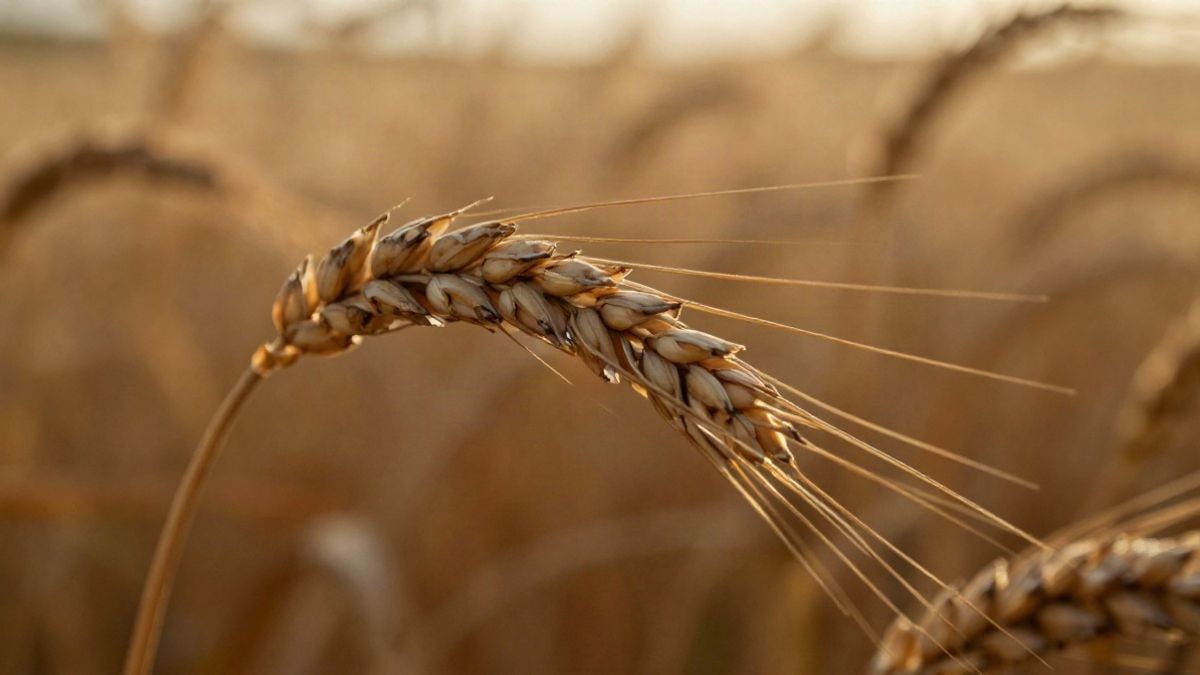
The European Central Bank (ECB) expects food inflation to gradually rise to 3.4% in the third quarter of 2027. This was stated by the bank's Vice President, Boris Vujčić, in an interview with Reuters on September 16, published this Friday, where he attributes this increase to the delayed effects of severe droughts experienced in Europe during the summer.
Vujčić explains that agricultural shocks take time to pass through the supply chain to reach retail prices. Nevertheless, the ECB Vice President emphasizes that the net effect of El Niño globally is complex, as it can harm agricultural production in some regions while benefiting it in others.
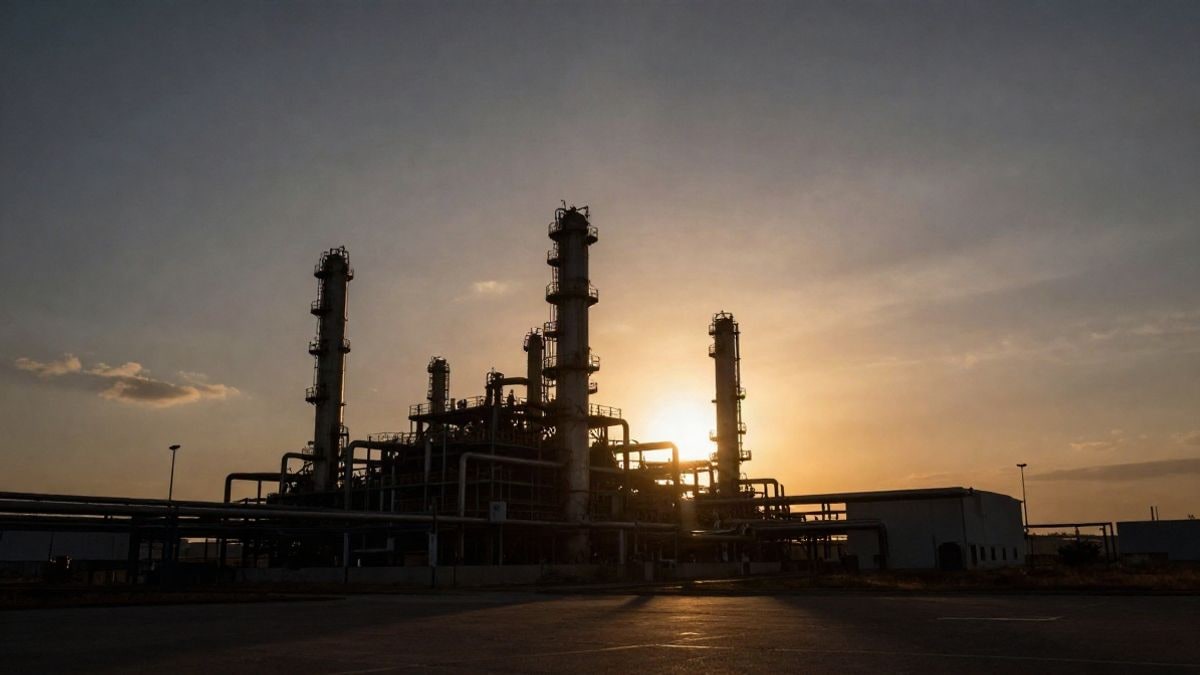
The information, released by the ECB on its website, reflects the institution's concern about the evolution of energy prices. Vujčić acknowledges that energy prices have continued to rise and were already above the baseline projections during the Governing Council meeting. This factor, he adds, is conditioning market expectations regarding the path of interest rates and the terminal rate.
“We do not look solely at energy prices, but at a much broader set of data and criteria when making monetary policy decisions”
The ECB Vice President insists that the institution does not provide forward guidance and acts on a meeting-by-meeting basis. When asked if markets are too focused on energy, he warns that it would not be advisable to focus on a single set of data, no matter how important it is.
Regarding gas, Vujčić distinguishes between the impact of oil, which has a more immediate effect on overall inflation through fuels, and that of gas, which is more persistent and long-lasting, directly affecting household bills and indirectly impacting production costs. He notes that gas storage levels in Europe are lower than in the past, but that gas now has a lesser weight as a marginal factor in electricity prices.
Europe has compensated for this situation by expanding renewable capacity by around 15%-20% in recent years and investing in energy efficiency. Renewables now account for 26% of final energy consumption and 50% of electricity consumption, according to data held by the ECB.
Looking ahead to winter, Vujčić points out that a harsh winter would have a greater negative impact on GDP and real incomes than a mild one. He acknowledges that there is considerable uncertainty about whether El Niño makes a mild winter in Europe more likely.
As for monetary tightening, the ECB Vice President notes that the eurozone economy has absorbed it well so far. Monetary transmission is progressing gradually, with mortgage and corporate loan interest rates higher than at the beginning of the year, as are bank funding costs, partly driven by higher bond yields.
Growth has been supported by exports, where there was likely some front-loading of orders, and by private consumption, which has been stronger than expected. Vujčić expects consumer spending to remain reasonably solid as long as persistently high prices do not erode purchasing power.
The ECB has raised rates twice in meetings with projections. When asked if it will maintain this gradual pace, Vujčić responds that for now, yes, but they will see what the future holds.

You may also like