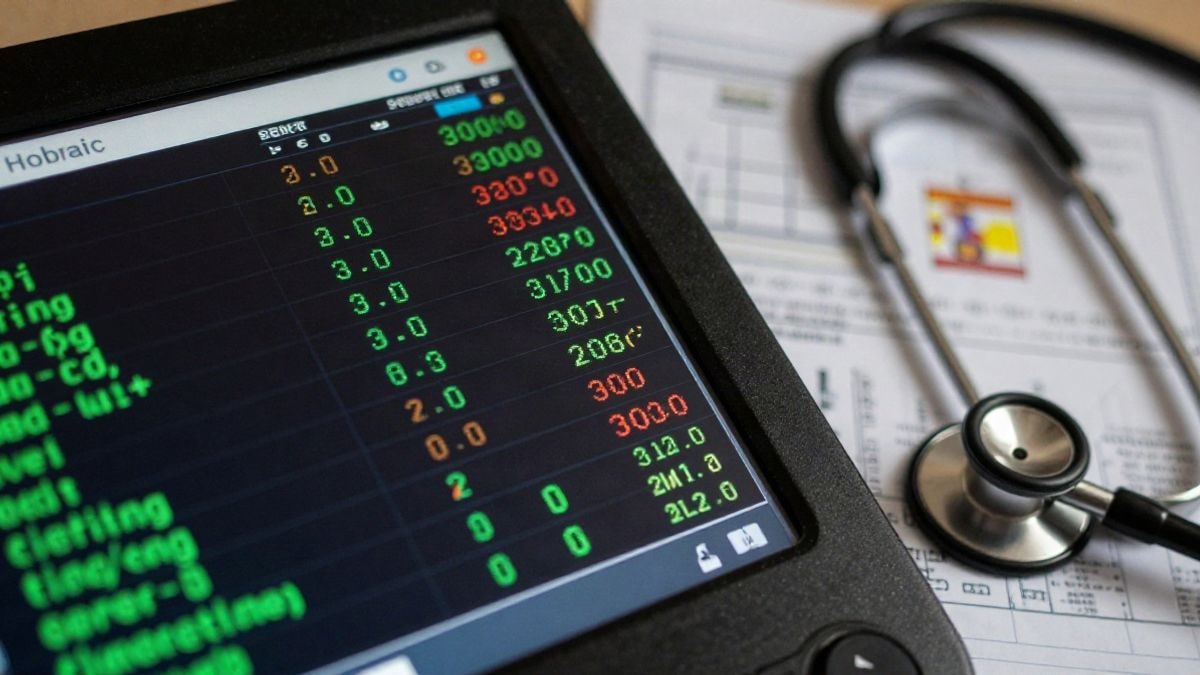
Artificial intelligence algorithms in healthcare present risks due to the lack of independent oversight. A recent case in Michigan illustrates how the lack of testing can affect doctors' trust and patient safety.
Artificial intelligence (AI) algorithms are transforming the healthcare sector, but their implementation without proper oversight can be dangerous. Kayla Secrest, a physician at a Michigan hospital, experienced how an alert system for detecting sepsis generated constant notifications that doctors ignored, reflecting a loss of trust in the tool, according to expansion.com.
The lack of thorough testing before the adoption of these technologies poses serious risks to patients. Research conducted by experts such as Jess Morley and Eric Topol indicates that AI developers often prioritize statistical accuracy over clinical effectiveness. Morley states: "We want to know if the tool has a real impact on patient outcomes." However, the data supporting the efficacy of AI in healthcare is scarce.
On the other hand, technologies like ChatGPT for Healthcare have shown to reduce administrative time by 80%, improving efficiency. However, regulatory gaps and the lack of data on actual performance make it difficult to assess whether these benefits outweigh the risks associated with their use. Topol warns that it is crucial to establish a clear relationship between benefits and risks in real medical practice.
The urgency for real trials and independent oversight becomes evident as AI continues to integrate into hospitals, without adequate evaluation to ensure patient safety.

You may also like