Atlantic Copper operates CirCular in Huelva after investing over €550 million, and Moeve will lay the first stone of Onuba in Palos this week with over €1 billion.
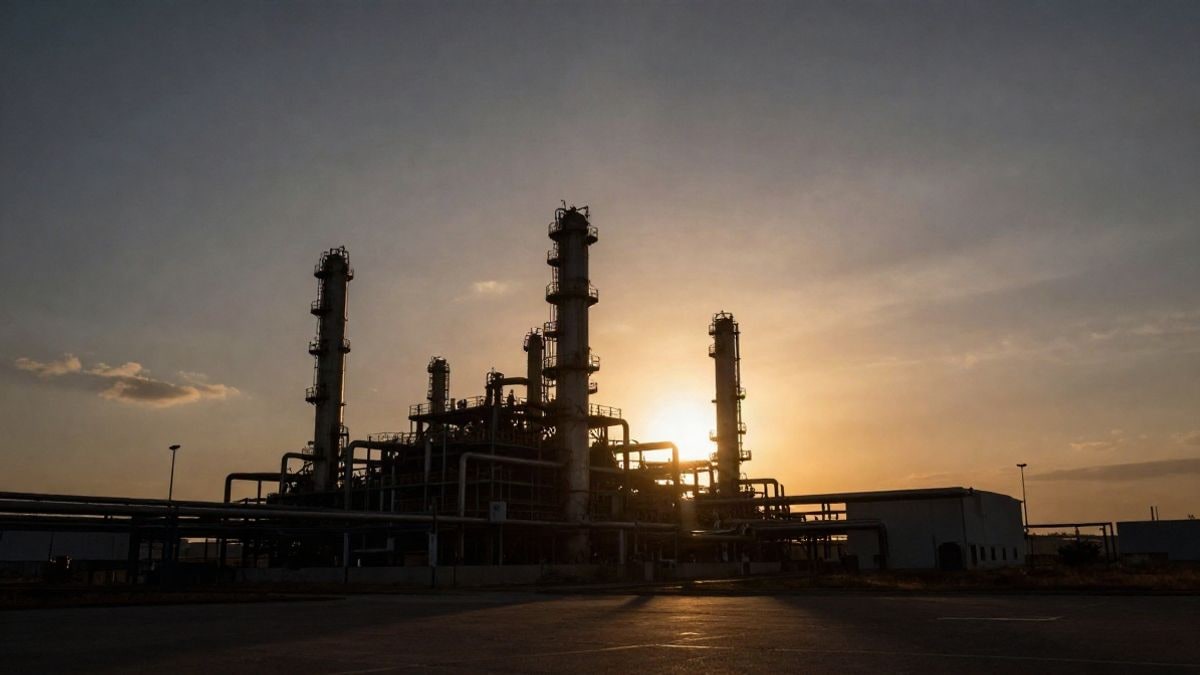
The province of Huelva is incorporating new industrial activities that go beyond chemicals, copper, fertilizers, and port activities, a model that remains fundamental but now coexists with projects focused on circular economy and green hydrogen. According to Diario de Huelva, the first visible example is CirCular, the plant of Atlantic Copper inaugurated this week in the capital of Huelva with an investment exceeding €550 million.
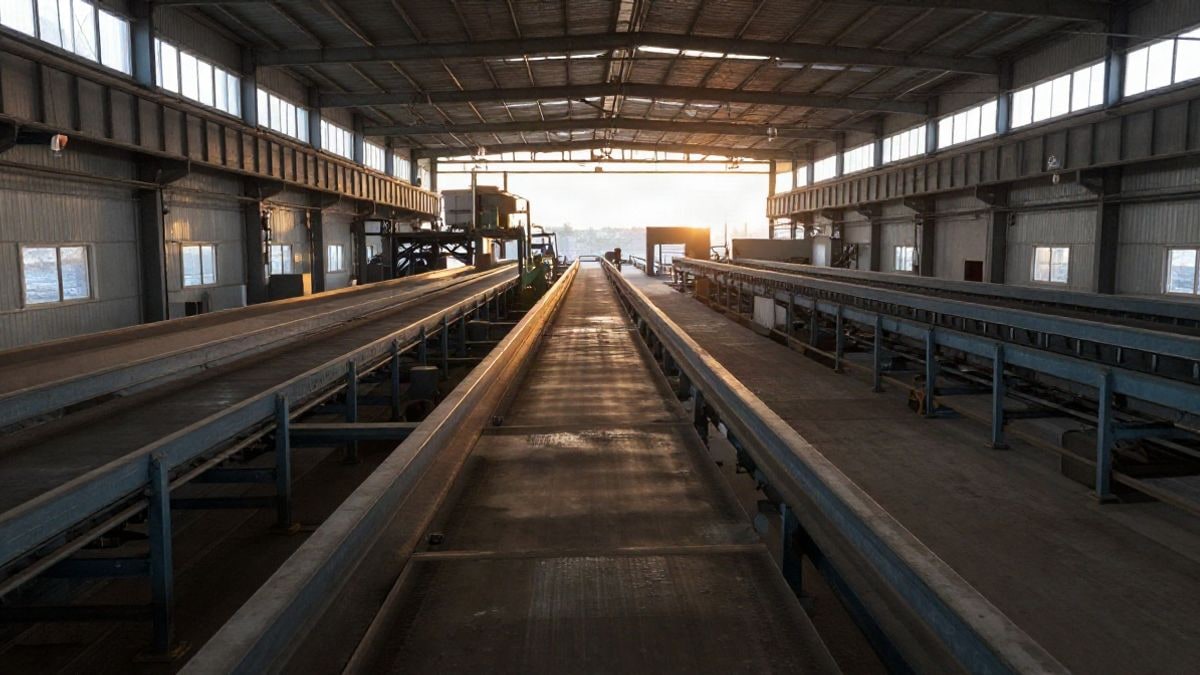
The facility will be able to process up to 60,000 tonnes annually of materials from electrical and electronic devices and recover metals such as copper, gold, silver, palladium, platinum, and nickel. Thus, Huelva not only transforms raw materials but also begins to recover strategic raw materials from technological waste.
Atlantic Copper estimates over 350 direct, indirect, and induced jobs associated with CirCular during its construction.
The second move will come this week. Moeve will lay the first stone of Onuba, the first phase of the Andalusian Green Hydrogen Valley in Palos de la Frontera, with an announced investment exceeding €1 billion. The project aims to produce 45,000 tonnes annually of green hydrogen starting from 2029.
The transformation is supported by several pillars: green hydrogen, renewable energies, circular economy, recycling of raw materials, and new industrial technologies. The goal is to leverage what the province already has: industrial land, a port, energy connections, industrial experience, and a business concentration that enables the development of large-scale projects.
The Port of Huelva occupies a central place in this scheme. The energy transition needs to import raw materials, export products, and have infrastructure capable of moving large quantities of goods.
The industrial change also raises open questions. The first is employment: the new projects require different professional profiles, from specialized technicians to workers linked to maintenance, engineering, automation, and new technologies. The second is training: if the province wants to take advantage of this transformation, it will need to adapt its vocational and university training to the needs of the new industry. And the third is environmental: the arrival of new industries linked to the energy transition does not automatically mean that industrial impacts will disappear, so it will be necessary to verify what industrial model is installed, what controls are incorporated, and what benefits it leaves in the territory.
With CirCular already underway and Onuba about to start, Huelva has the opportunity to transition from being a territory that transforms raw materials to also becoming a space where technologies are developed, resources are recovered, and essential materials for the new economy are produced. The question is no longer whether the province will change its industry, but what place it will occupy in the upcoming industry.

You may also like