Moeve's Andalusian Green Hydrogen Valley will connect the province of Huelva with the Campo de Gibraltar with a total investment of €3 billion. The first phase is already underway in Palos de la Frontera with a 300 megawatt plant.
The company Moeve has launched the first phase of the Andalusian Green Hydrogen Valley, a project that will connect the province of Huelva with the Campo de Gibraltar and involves a total investment of €3 billion. The initiative aims to achieve two gigawatts of electrolysis capacity and produce up to 300,000 tonnes annually of renewable hydrogen, according to cadiznoticias.es.
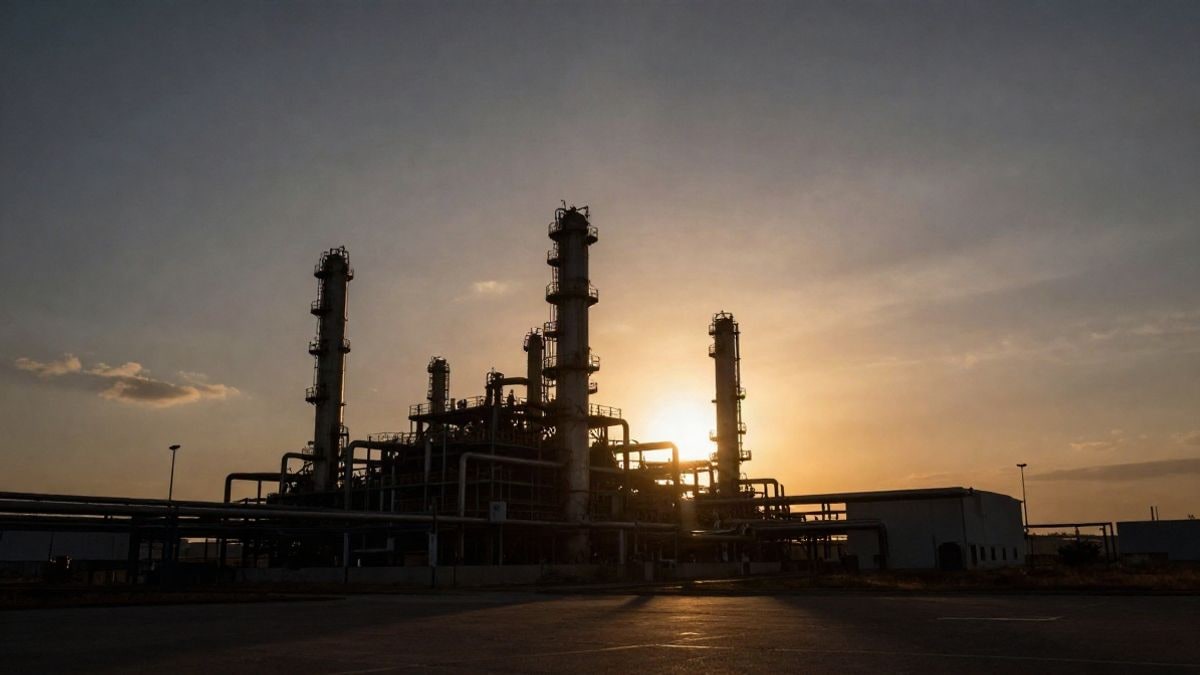
The official launch took place on September 17 with the laying of the first stone of the Onuba plant, located in Palos de la Frontera. This initial action represents an investment of over €1 billion and includes the construction of a 300 megawatt electrolyser, capable of producing around 45,000 tonnes of hydrogen per year in its initial stage.
The facility will feature new generation solar and wind energy. The renewable gas will be used for self-consumption by local industries and supplied to third parties, especially for activities where direct electrification is complex, such as heavy transport, maritime, or aviation.
Moeve estimates that this first phase will generate 8,400 direct and indirect jobs and will prevent the emission of 250,000 tonnes of carbon dioxide per year, an amount the company compares to the emissions from combustion cars in the cities of Huelva, Cádiz, and Jaén.
The project has been designated as a Project of Common Interest by the European Union, a classification reserved for infrastructures relevant to community energy objectives and territorial connections.
The production of green hydrogen is obtained through the electrolysis of water, a process that uses electricity from renewable sources to separate its components. It allows for the substitution of fossil fuels in industrial processes and the storage of renewable surpluses for later use as electricity or heat.
In addition to this project, Cádiz is participating alongside Almería in two initiatives funded through the Just Transition Funds to develop industrial ecosystems linked to green hydrogen. Both programmes have a total budget of €25.8 million and are related to the creation of new industrial activity following the closure of coal-fired power plants.
The Andalusian Government places this technology among the pillars of its industrial decarbonisation strategy. The region has 14 initiatives for green hydrogen production assigned to the Project Acceleration Unit, representing an announced investment of €6.2 billion and projected 10,000 jobs.
The regional administration claims that Andalusia attracts around €5 billion annually in industrial investment related to renewable energy and digitalisation. Among the conditions favouring these projects are the availability of solar energy, the existence of ports and large industrial areas, and the geographical position of the region in relation to Europe, Africa, and Latin America.
The regional strategy includes the Andalusian Alliance for Green Hydrogen, which involves more than 150 public and private entities to coordinate the production, consumption, and export of this renewable fuel. Andalusia has also signed agreements with territories in the Netherlands and Germany to boost demand and commercial connections.
The availability of port facilities and the concentration of industries make the Campo de Gibraltar one of the key areas for the development of this energy chain. The connection with Huelva aims to integrate two of the main industrial hubs of the region into a single production and supply infrastructure.

You may also like