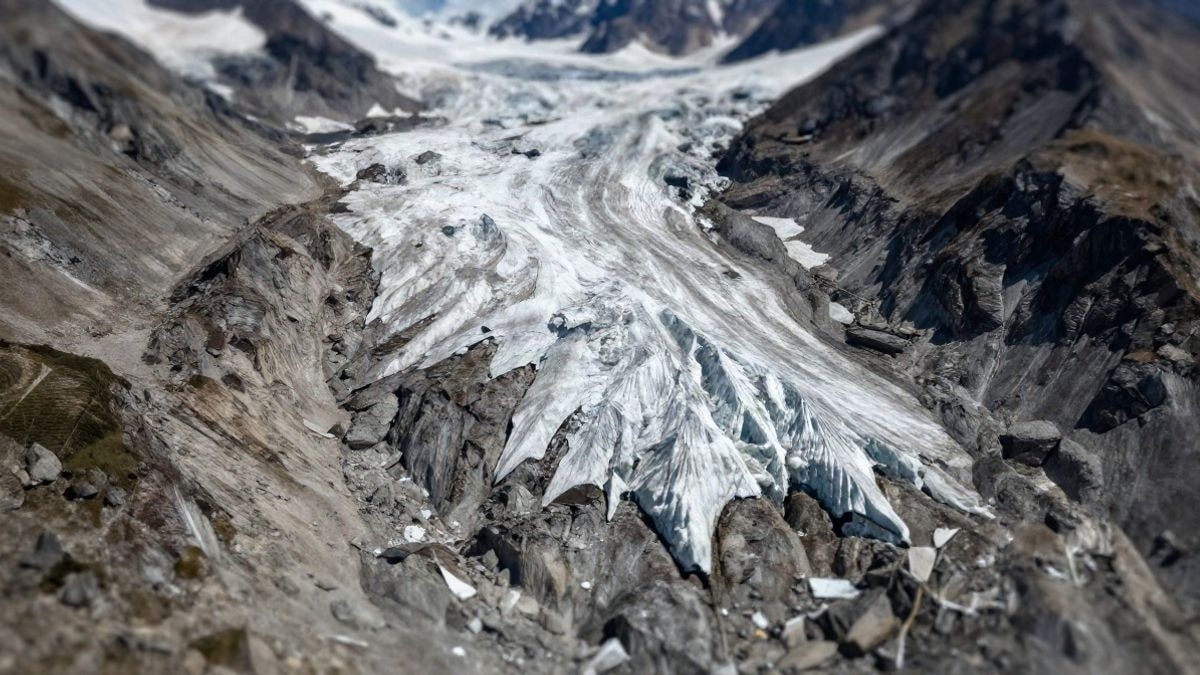
A recent study reveals that climate change was a decisive factor in the catastrophic flood in Nepal, which left over a thousand dead. The research, published by World Weather Attribution, highlights the role of glacier melting and global warming.
The flood that struck Nepal on **August 26** is linked to the influence of climate change, according to an analysis conducted by **World Weather Attribution** and experts in glaciology. This catastrophic event left more than **a thousand dead** and thousands missing, with severe material damage.
Scientists point out that **human-induced warming** has raised the freezing threshold in the region by about **100 metres**. This situation has contributed to the retreat of glaciers and the melting of permafrost, which in turn caused a **rock and ice avalanche** on the border between **Nepal and China**.
Researcher **Pilar Brufau** from the **University of Zaragoza** states that the analysis considers the disaster as a cascading phenomenon, where multiple factors combine. “This type of flow cannot be treated as a conventional flooding process, as solid material dominates the flow, making the event more catastrophic,” explains Brufau.
The report also highlights that the **topography of the Himalayas**, with its populated valleys, increases vulnerability to these disasters. **Luis Carcavilla** from the **Geological and Mining Institute of Spain** emphasizes that this study was conducted quickly by an international team of **24 researchers** from **14 institutions** in **nine countries**.

You may also like