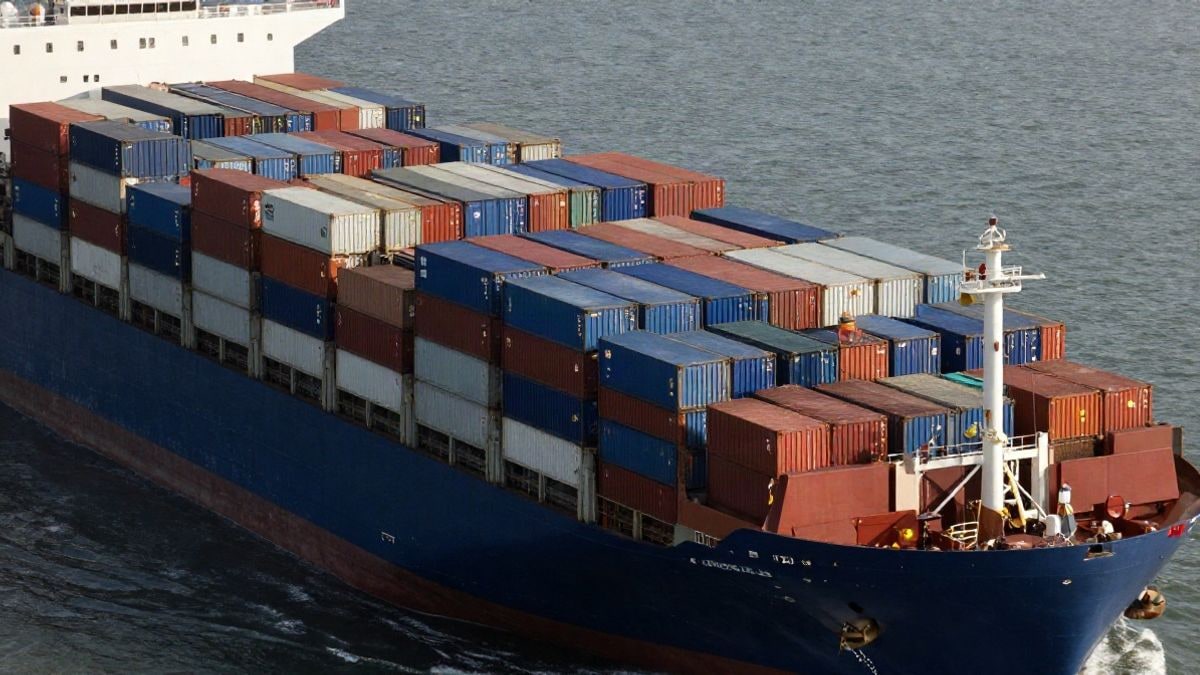
The major maritime powers warn of the collapse of the regulations governing maritime trade. This structural change, driven by wars and a growing fleet of clandestine vessels, could paralyse the global economy.
The Maritime Transport Advisory Group (CSG), made up of 18 maritime powers, has issued a serious warning about the collapse of the rules regulating global maritime transport. According to expansion.com, the conflict in the Strait of Hormuz and the increase in a clandestine fleet have led to a "structural change" in global trade.
This group, which represents over 20% of global trade in terms of tonnage, states that "without maritime trade, supply chains would fragment and the global economy, as we know it, would suddenly come to a standstill." The current situation, where maritime routes become instruments of influence and risk, reflects the "fragility of the maritime trade system."
The statement, the first from the CSG in over 60 years, is based on growing concerns about the deterioration of the standards established by the International Maritime Organization (IMO). Brian Wessel, Director General of the Danish Maritime Authority and President of the CSG, has noted that maritime nations have taken this unusual step due to the fragmentation of the sector.
More than 80% of global trade is transported by sea, but the lack of oversight has allowed over 1,500 clandestine vessels to operate outside traditional regulations. This has raised concerns about safety and accountability in the event of incidents, such as the recent collision of the vessel Caroline Bezengi, which was carrying Russian oil and was uninsured.

You may also like