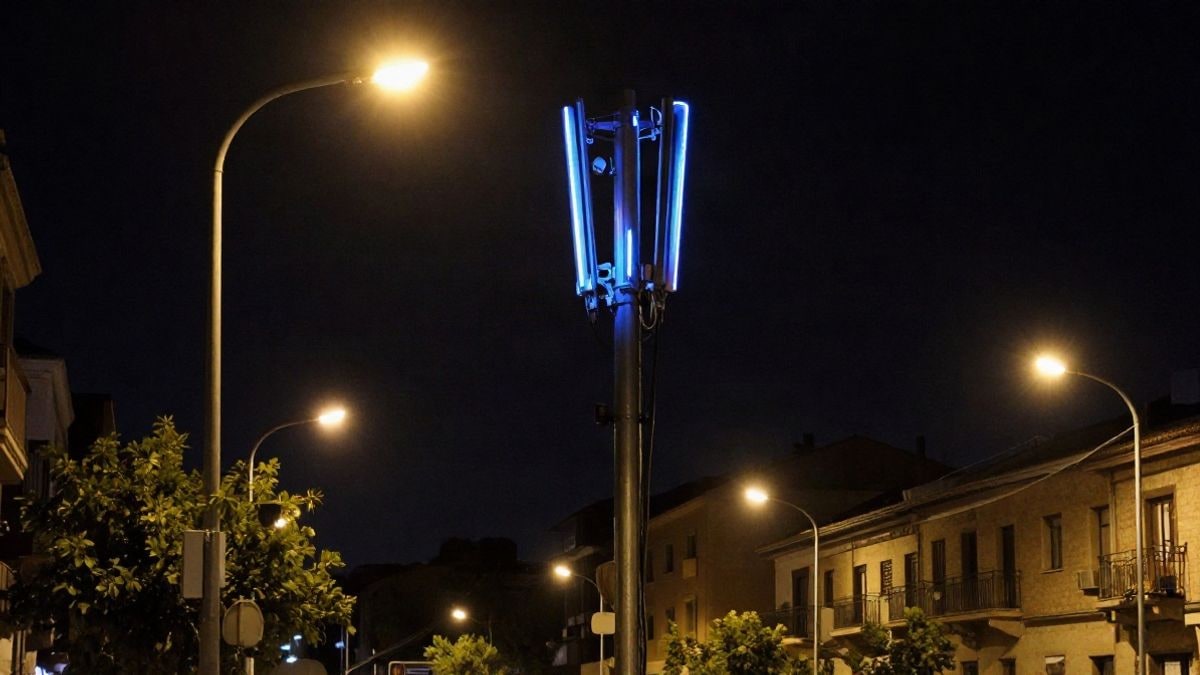
Four major European operators are in negotiations to create a consortium that will bid for the satellite spectrum available in 2027. This project aims to offer Direct to Device services to mobile phones in Europe.
Four of the leading telecommunications operators in Europe, Telefónica, Orange, Vodafone, and Deutsche Telekom, are in preliminary talks to form a consortium that will compete for the European Union's satellite spectrum, which will be available from May 2027. According to expansion.com, the goal is to provide direct services to mobile phones, known as Direct to Device (D2D).
The consortium plans to submit a joint bid to gain access to part of the radio spectrum in the 2 gigahertz (GHz) band, which the European Union has proposed to reserve for a local operator. This initiative aims to strengthen the continent's sovereign satellite capabilities. No definitive decisions have yet been made regarding the consortium or the submission of bids.
In May of this year, the European Union announced plans to grant most of that spectrum to European companies, limiting the share that US operators can acquire. This is part of an effort to promote local companies and reduce dependence on major tech firms. The proposed European Commission plan, which still needs to be approved, redesigns access to the 2 GHz spectrum, currently controlled by North American companies.
A significant portion of this spectrum will be allocated to the IRIS2 project, which aims to establish a constellation of European satellites consisting of approximately 300 satellites in orbit for government and defence communications. The company SpaceRISE, made up of Eutelsat, Hispasat, and SES Astra, was selected in 2024 to design and operate this constellation.
The president of Telefónica, Marc Murtra, has emphasised the need to develop a satellite constellation of its own for Europe, arguing that this independence is crucial to avoid reliance on foreign technologies such as the Starlink satellite network. The war in Ukraine has highlighted this dependence, where connections have been subject to the will of Elon Musk.
Currently, radio frequencies are under the control of the US companies Echostar and Viasat, but the European Commission aims to allocate part of these frequencies to IRIS2 when their concessions expire in May 2027.
You may also like