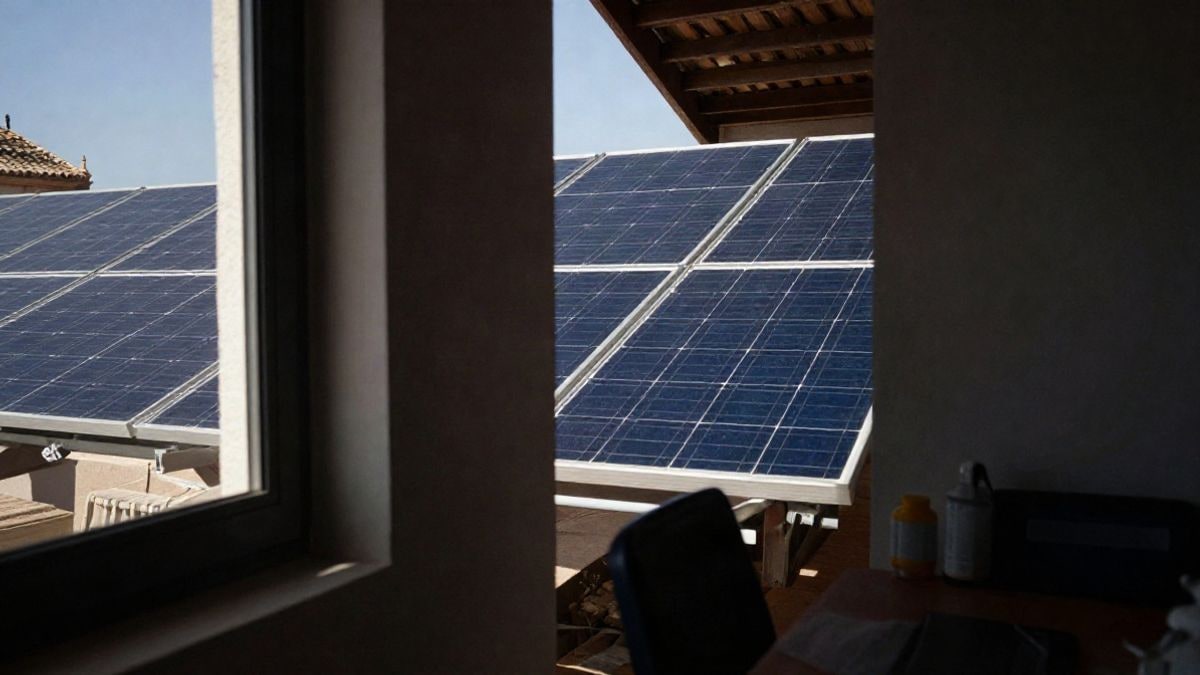
The rise of solar self-consumption, driven by affordable Chinese panels, is transforming the global electricity supply. This situation poses significant challenges for traditional electrical infrastructures.
The generation of electricity from solar panels has reached record figures globally, with nearly 1.2 terawatts of installed capacity by the end of 2025, according to a report from the Energy Institute. This growth has been made possible by the availability of cheap solar components from China, which have allowed millions of consumers to self-generate energy and reduce their bills.
The company Bestway Cement, located in Chakwal, Pakistan, is converting unused land into a forest of solar panels, adding 6.34 megawatts of generation capacity to the already installed 26 megawatts. According to its CEO, Abdul Waheed, "it is the only way to compete," given that solar energy already represents more than a quarter of its electricity supply.
However, the expansion of self-consumption poses challenges for electricity grids, which were not designed to manage the flow of energy from consumers back into the system. This could affect investment in infrastructure and the security of electricity supply, a critical aspect in a context of growing concern over inflation and the cost of living.
Recently, a blackout that affected much of Spain and Portugal highlighted these difficulties. According to Professor Janusz Bialek from Imperial College London, the Spanish electricity system has not adapted sufficiently to the growth of renewable energies. Josefin Berg from S&P Global warns that "distribution networks are not always prepared to absorb a large flow of electricity."
The drop in prices of solar panels, which have fallen from costing between 5 and 6 dollars per watt to just 12 cents per watt, has facilitated this transition. This phenomenon has allowed solar energy to become a vital source in developing countries, where access to electricity is limited. According to estimates, Africa will install 17 gigawatts of new solar capacity in 2026, mostly in small installations for businesses.

You may also like