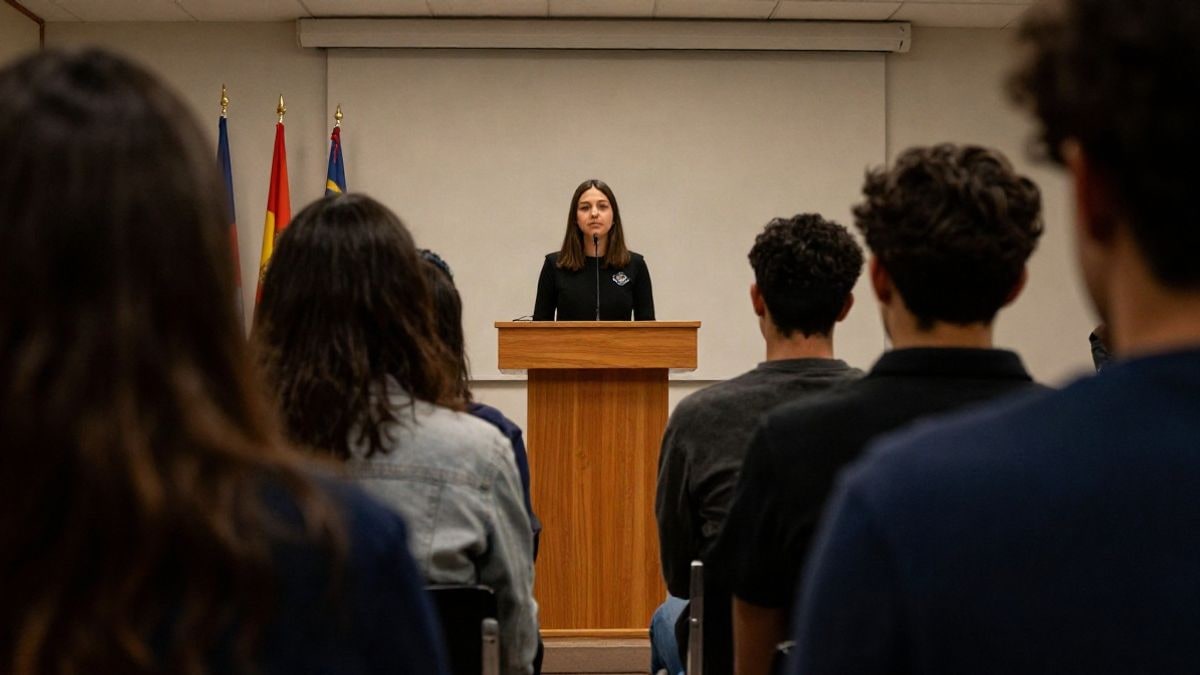
The British Chancellor, John Healey, emphasises the need to control Government spending in his most important speech since his return. The upcoming budgets, to be presented on October 28, are expected to include cuts and possible tax increases.
The British Government has reaffirmed its commitment to controlling public spending, as highlighted by Chancellor John Healey in a recent speech in Coventry. Healey stressed that in the next budget, which will be announced on October 28, it is necessary for Labour to be "honest about the need to control Government spending."
During his address, Healey mentioned that fiscal discipline is essential and that the Government is committed to adhering to fiscal rules to balance the books, in a context where the country allocates nearly 10% of its budget to pay interest on debt.
Furthermore, Healey did not rule out the possibility of a tax increase, although he did not provide details on potential cuts to the welfare state. "It is nothing progressive," he stated, referring to the growing debt burden, which has already reached 100% of GDP.
The Government also faces the challenge of managing the cost of living and has promised measures to promote growth across the country, not just in London. Among the initiatives, a fund of £150 million (approximately €174 million) for the British Business Bank is planned, aimed at innovative companies in the north of England.
You may also like