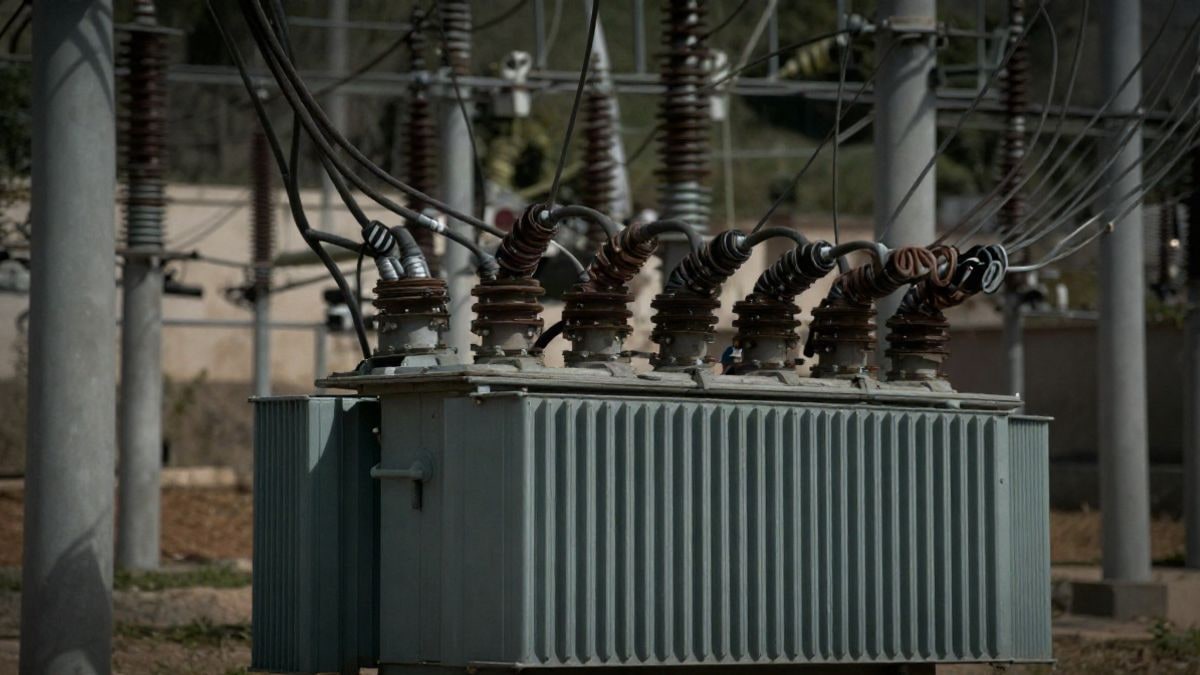
The Spanish Government has decided to increase investment in the electricity transport network by 30%, rising from €13 billion to €17 billion. This measure responds to pressure from companies and issues of saturation in the electrical system.
The Minister of Ecological Transition, Sara Aagesen, announced that the Government's new energy planning includes a 30% increase in investment allocated to the electricity transport network. The total investment will amount to €17 billion by 2030, according to expansion.com.
This increase responds to the growing demand for electricity, especially from data centres, which are facing connection issues due to the existing saturation in the power lines. Aagesen noted that this investment is the largest in networks in Spanish history, resulting from an analysis of 2,566 claims received regarding the planning.
Red Eléctrica de España (REE), responsible for managing the transport network, will need to revise its investment plan in line with this new figure. The distribution network, which reaches users, is in the hands of the main electricity companies in the country, such as Iberdrola, Endesa, and Naturgy.
The decision comes after a period of increasing criticism of the Government for not addressing the saturation of the electricity grid, especially following the blackout in April 2025. At the same time, the Government has approved measures that will allow large electricity companies to invest more than €10 billion additional in distribution networks by 2030.
Aagesen defended the Government's flexibility to adapt to the needs of the energy sector and emphasised that business competitiveness must be based on reducing energy bills and promoting renewable energies.

You may also like