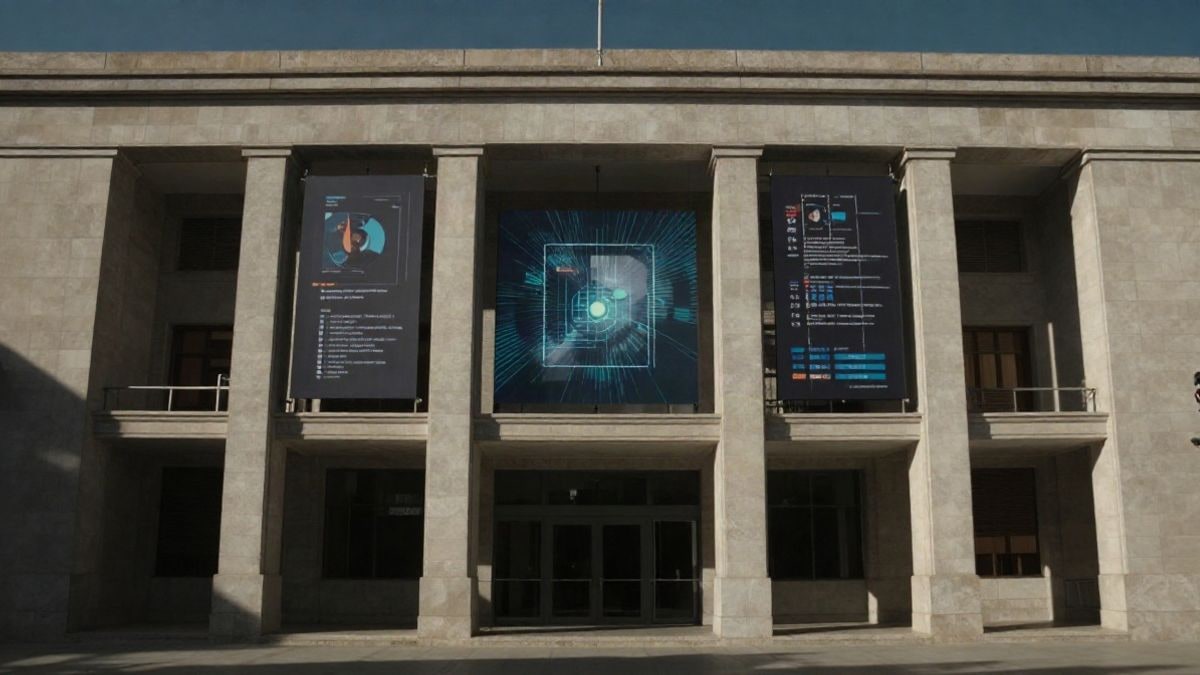
The digitisation of Justice in Spain is progressing with an investment of over 560 million euros. This effort aims to transform the judicial system and enhance its efficiency.
More than 560 million euros have been mobilised by Spain to digitise its judicial system, an effort that seeks to address issues such as the slowness and backlog of the courts. According to information provided by expansion.com, the Secretary of State for Justice, Manuel Olmedo, highlighted this investment during the 40th Meeting of Digital Economy and Telecommunications at the Universidad Internacional Menéndez Pelayo in Santander.
Olmedo mentioned that judicial digitisation is structured around three pillars: digital transformation, organisational, and procedural-normative. This process has allowed Spain to shift from a document-oriented culture to a data-oriented work culture, integrating process automation and artificial intelligence throughout the judicial ecosystem.
The Secretary of State also indicated that digitisation is not just an end in itself but a tool aimed at facilitating a more equitable justice system, especially for groups with difficulties in accessing justice. Furthermore, he emphasised that this process requires simultaneous organisational and normative transformation to ensure legal certainty.
Spain positions itself as an international benchmark in this area, leading the World Bank's working group on judicial digitisation and collaborating with the Inter-American Development Bank. Additionally, it has been recognised by the European Commission as the first country in the European Union in judicial digitisation among major economies.

You may also like