The Catalan industry must invest €9.5 billion by 2050 to meet decarbonisation targets. This figure was presented by the Minister of Territory, Sílvia Paneque, and reflects the effort needed to make production processes cleaner.
A study by the Catalan Institute of Energy (Icaen) reveals that the Catalan industry will need to make an economic effort of €9.5 billion by 2050 to achieve its decarbonisation goals. The information, advanced by the Minister of Territory, Housing and Ecological Transition, Sílvia Paneque, indicates that this equates to an average annual cost of between €350 million and €450 million, representing nearly 1% of the gross value added of the sector.
The study emphasises that these costs do not include all the investments necessary to achieve climate neutrality, such as strengthening the electricity grid, but focus on the additional costs associated with adopting low-emission technologies and processes. Furthermore, it is estimated that the public financing required over the next 25 years amounts to nearly €4.9 billion.
On the other hand, Icaen predicts that the investments will generate savings in the short and medium term, although some technologies still have costs higher than conventional ones. Savings are expected to reach €1.2 billion annually by 2050, thanks to increased use of renewable energies and the rising costs of fossil fuels.
The industry is the second most energy-intensive sector in Catalonia, responsible for 30.6% of total emissions, with 9.6 million tonnes of CO2 generated by combustion and 3.8 million tonnes from industrial processes in 2023. The European climate law establishes that emissions must be reduced by at least 55% by 2030 compared to 1990.
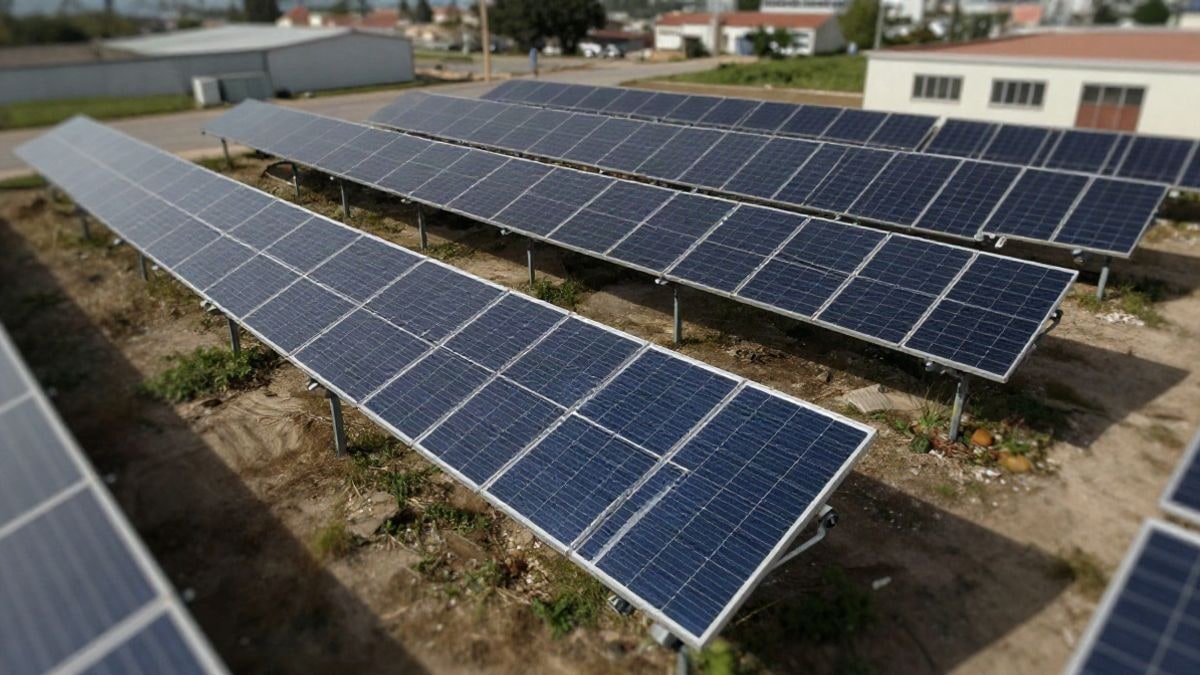
The Government will initiate a dialogue with the 20 main industrial subsectors to design actions that allow them to transform their production processes towards greater sustainability. The measures will focus on solar photovoltaic self-consumption, energy efficiency, electrification of thermal processes, and CO2 capture and storage.
You may also like