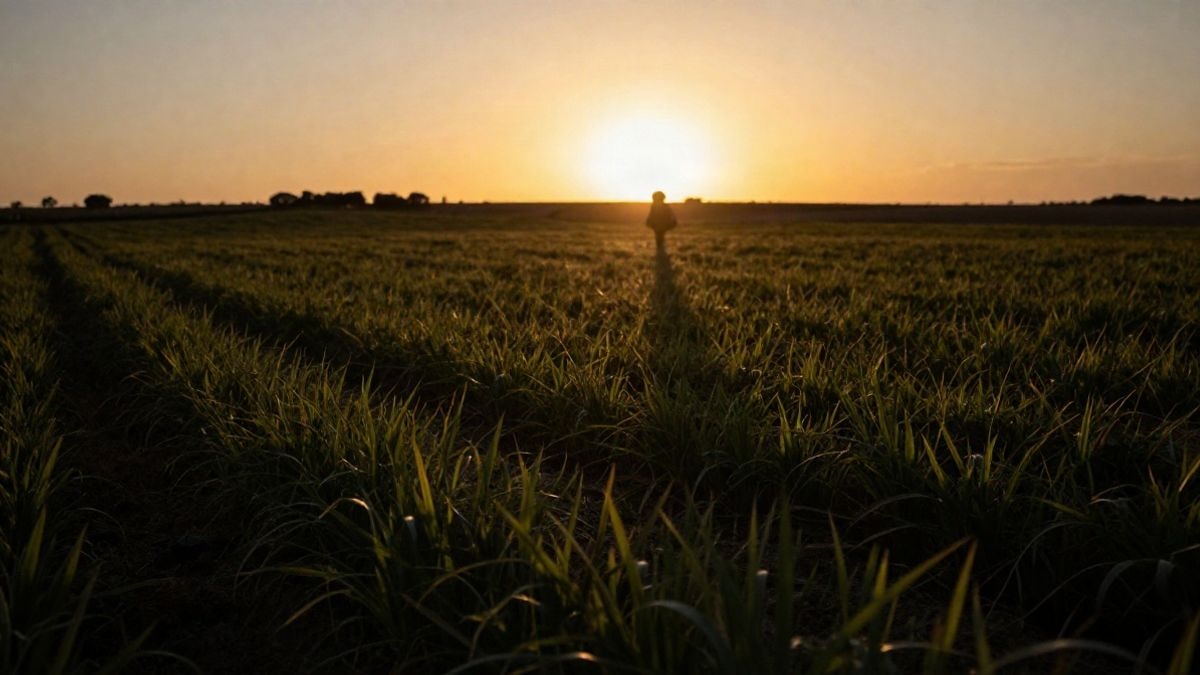
The regulation adopted by the European Parliament will allow Spanish farmers to increase cereal production. The New Genomic Techniques will facilitate access to varieties more resistant to climate and pests.
Spanish farmers will be able to significantly improve their cereal harvests such as wheat, rice, and corn thanks to the new regulation approved by the European Parliament. The legislation relaxes the application of New Genomic Techniques (NGT), as reported by expansion.com.
From the Ministry of Agriculture, Fisheries and Food, this measure has been positively evaluated, highlighting that “the application of NGT is very necessary to adapt crops to the situation of climate change.” This regulation also reduces the administrative burden for small and medium-sized enterprises (SMEs), which shortens authorization times and costs.
Additionally, the ministry has organized an event on September 9 alongside the Center for Agrigenomic Research within the Hgenia Project, where the challenges and opportunities presented by NGT in Spanish agriculture will be discussed. This meeting is aimed at farmers, regulators, and biotechnology companies.
The new regulation also allows for the patenting of NGT and the acquisition of intellectual property rights, excluding natural traits. The measure comes at a critical time for the agricultural sector, which is facing significant cost increases, such as the more than 41 million euros reported by the Association of Young Farmers (ASAJA) due to the war in Ukraine, which has raised the prices of diesel and fertilizers.
José María Castillo, director of ASAJA in Brussels, has supported the approval of the regulation, considering that “it represents a significant advance for competitiveness and food security.” In Spain, these techniques are essential for developing crops more resistant to drought and adapted to future climatic conditions.
The implementation of NGT could increase corn production in the country, which currently only meets 50% of its internal demand. With appropriate technological improvement, dependence on imports, which have been affected by the conflict in Ukraine, could be reduced.
MEP Jessica Polfjärd highlighted that “European farmers have long been asking for access to these modern plant breeding tools,” considering it a historic victory for the European agricultural sector.

You may also like